



Protease Cleavable Linker
Protease-cleavable linkers connect targeting units to payloads and enable conditional drug release after protease processing in ADCs and related drug conjugates[1]. Mechanistically, Val-Cit and related peptide linkers support lysosomal cathepsin-mediated payload release, while plasma stability remains a central design requirement[1][2]. In tumor models, cleavable Val-Cit or Val-Ala systems released MMAE after intracellular or extracellular proteolysis and produced antitumor activity, whereas noncleavable designs reduced activity in comparable settings[3][4]. Compared with Val-Cit, Val-Ala, glutamic acid-Val-Cit, EGCit, and exo-cleavable designs addressed isoform-like sequence differences in linker susceptibility, including mouse carboxylesterase, neutrophil elastase, aggregation, and premature release[2][5][6][7]. For research applications, these linkers guide ADC, albumin-drug conjugate, and immune-stimulating antibody conjugate design by balancing protease access, tumor payload release, plasma stability, and species-relevant preclinical evaluation[6][8][9].
References:
- [1]. Sutherland MS, et al. Lysosomal trafficking and cysteine protease metabolism confer target-specific cytotoxicity by peptide-linked anti-CD30-auristatin conjugates. J Biol Chem. 2006 Apr 14;281(15):10540-7. [Content Brief]
- [2]. Balamkundu S, et al. Lysosomal-Cleavable Peptide Linkers in Antibody-Drug Conjugates. Biomedicines. 2023 Nov 16;11(11):3080. [Content Brief]
- [3]. Dal Corso A, et al. Protease-Cleavable Linkers Modulate the Anticancer Activity of Noninternalizing Antibody-Drug Conjugates. Bioconjug Chem. 2017 Jul 19;28(7):1826-1833. [Content Brief]
- [4]. Gébleux R, et al. Non-internalizing antibody-drug conjugates display potent anti-cancer activity upon proteolytic release of monomethyl auristatin E in the subendothelial extracellular matrix. Int J Cancer. 2017 Apr 1;140(7):1670-1679. [Content Brief]
- [5]. Anami Y, et al. Glutamic acid-valine-citrulline linkers ensure stability and efficacy of antibody-drug conjugates in mice. Nat Commun. 2018 Jun 28;9(1):2512. [Content Brief]
- [6]. Ha SYY, et al. An Enzymatically Cleavable Tripeptide Linker for Maximizing the Therapeutic Index of Antibody-Drug Conjugates. Mol Cancer Ther. 2022 Sep 6;21(9):1449-1461. [Content Brief]
- [7]. Watanabe T, et al. Exo-Cleavable Linkers: Enhanced Stability and Therapeutic Efficacy in Antibody-Drug Conjugates. J Med Chem. 2024 Oct 24;67(20):18124-18138. [Content Brief]
- [8]. Bernardim B, et al. Cathepsin B Processing Is Required for the In Vivo Efficacy of Albumin-Drug Conjugates. Bioconjug Chem. 2024 Feb 21;35(2):132-139. [Content Brief]
- [9]. Bisbal Lopez L, et al. Ex vivo mass spectrometry-based biodistribution analysis of an antibody-Resiquimod conjugate bearing a protease-cleavable and acid-labile linker. Front Pharmacol. 2023 Dec 6;14:1320524. [Content Brief]
-
Protease Cleavable Linker Related Products (83)
Related Products (83)

-
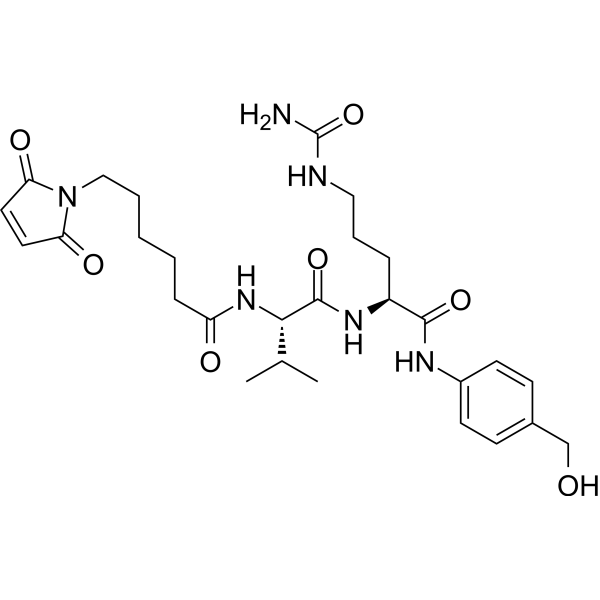
Mc-Val-Cit-PABC-PNP
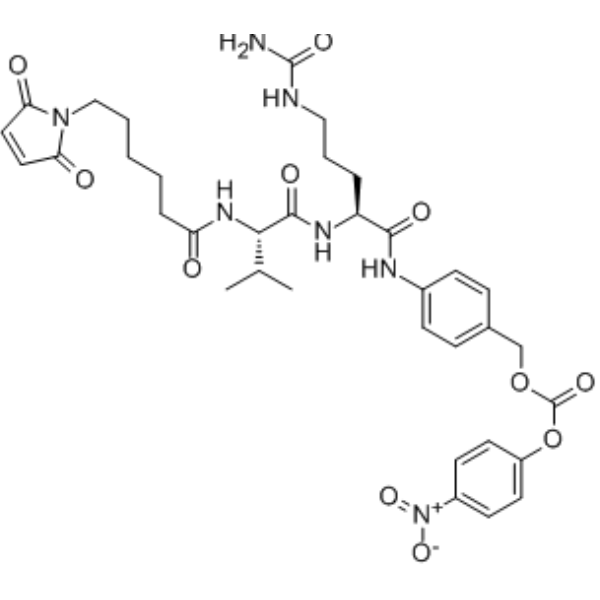 0 ImagesSynonyms: Maleimidocaproyl-L-valine-L-citrulline-p-aminobenzyl alcohol p-nitrophenyl carbonateMc-Val-Cit-PABC-PNP is a cathepsin cleavable linker for antibody-drug conjugates (ADCs) which couples the antibody element to the effecting compound. Mc-Val-Cit-PABC-PNP can be used in the synthesis of ADCs.
-
Fmoc-Val-Cit-PAB-PNP
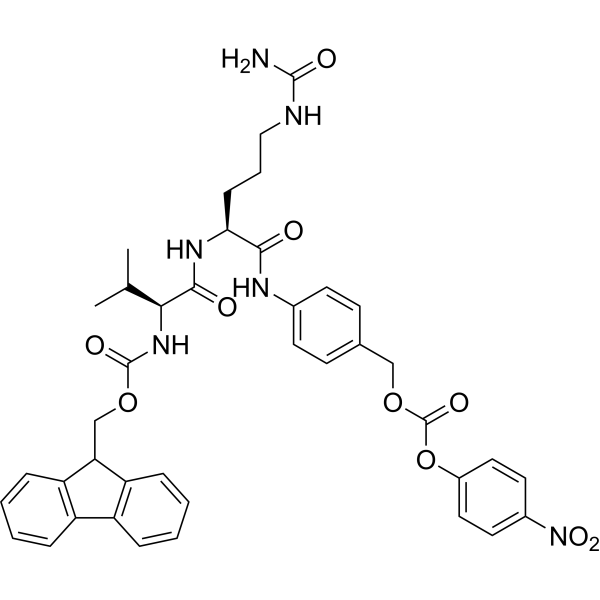 0 ImagesFmoc-Val-Cit-PAB-PNP is a cleavable ADC linker used in the synthesis of antibody-drug conjugates (ADCs). Fmoc-Val-Cit-PAB-PNP has superior plasma stability comparable to that of non-cleavable linkers.
-
Val-cit-PAB-OH
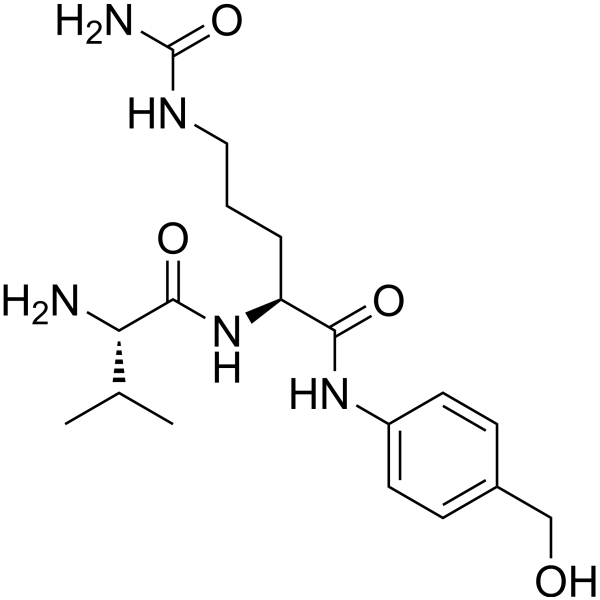 0 ImagesVal-cit-PAB-OH is a degradable ADC linker.
-
Fmoc-Val-Cit-PAB
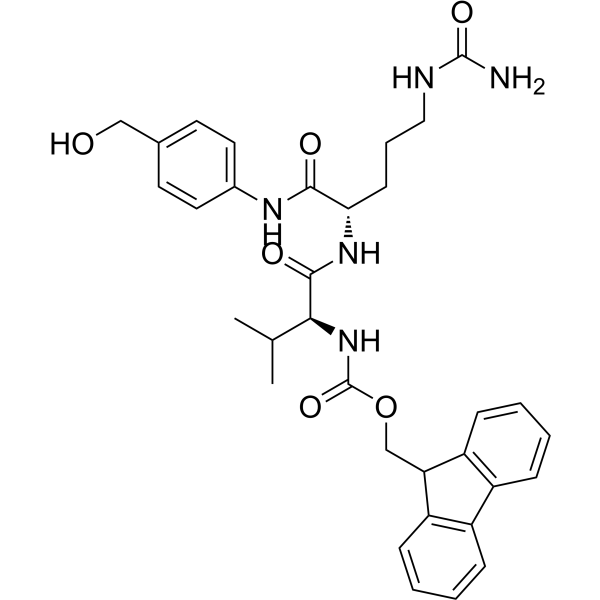 0 ImagesFmoc-Val-Cit-PAB is a cleavable antibody-conjugated active molecule (ADC) commonly used linker.
-
endo-BCN-PEG1-Val-Cit-OH
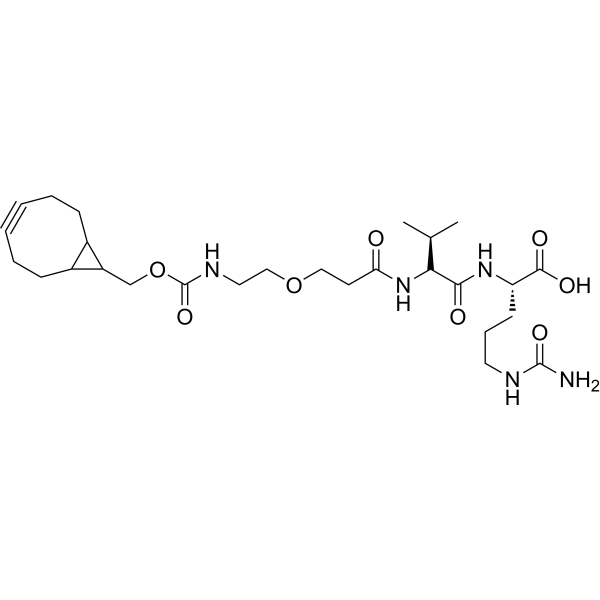 0 ImagesCat. No.: HY-130922BCN-PEG1-Val-Cit-OH is a cleavable 1 unit PEG ADC linker used in the synthesis of antibody-drug conjugates (ADCs). BCN-PEG1-Val-Cit-OH is a click chemistry reagent, it contains a BCN group that can undergo strain-promoted alkyne-azide cycloaddition (SPAAC) with molecules containing Azide groups.
-
Fmoc-Val-Ala-PAB-PNP
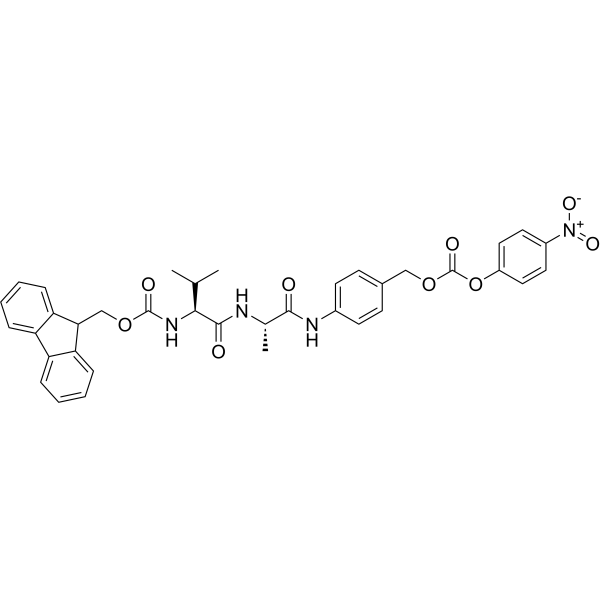 0 ImagesFmoc-Val-Ala-PAB-PNP is a cleavable ADC linker used in the synthesis of antibody-drug conjugates (ADCs).
-
Boc-Val-Cit-PAB-PNP
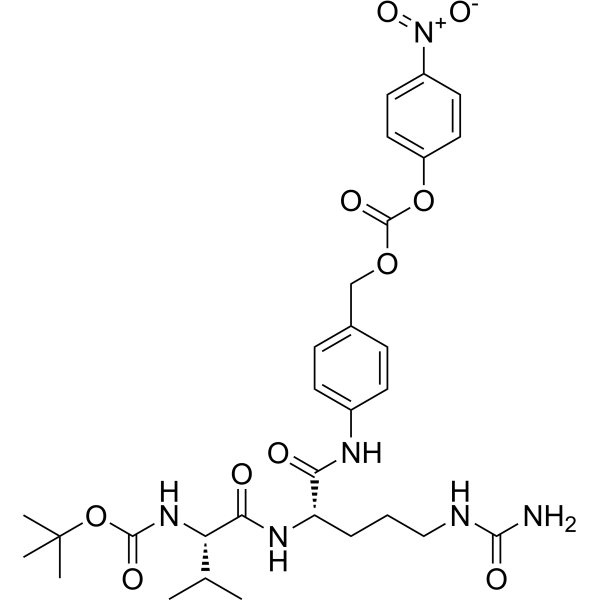 0 ImagesBoc-Val-Cit-PAB-PNP is a cleavable ADC linker used in the synthesis of antibody-drug conjugates (ADCs).
-
Boc-Val-Cit-OH
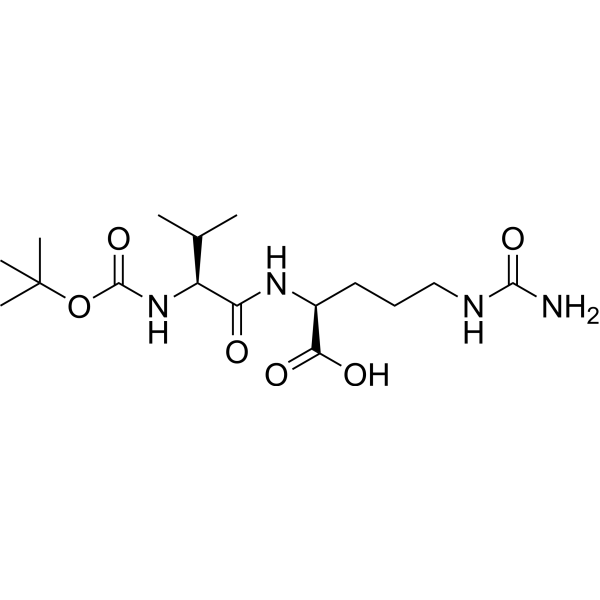 0 ImagesCat. No.: HY-W038702CAS No.: 870487-08-4Boc-Val-Cit-OH is a cleavable ADC linker used in the synthesis of antibody-drug conjugates (ADCs).
-
MC-Val-Ala-PAB-PNP
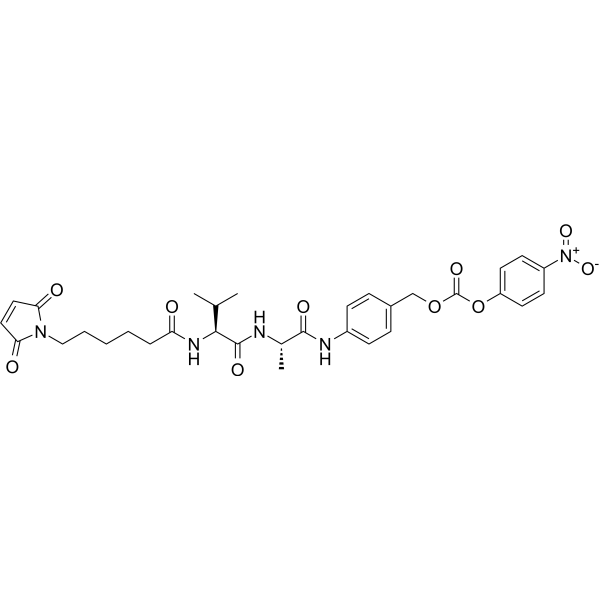 0 ImagesMC-Val-Ala-PAB-PNP is a cleavable ADC linker used in the synthesis of antibody-drug conjugates (ADCs).
-
Mal-PEG4-Val-Cit-PAB-PNP
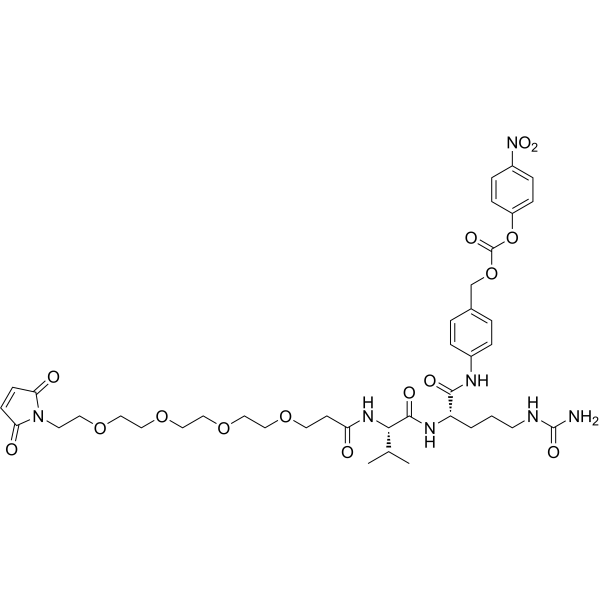 0 ImagesMal-PEG4-Val-Cit-PAB-PNP is a cleavable 4 unit PEG ADC linker used in the synthesis of antibody-drug conjugates (ADCs).
-
DBCO-Val-Cit-PABC-PNP
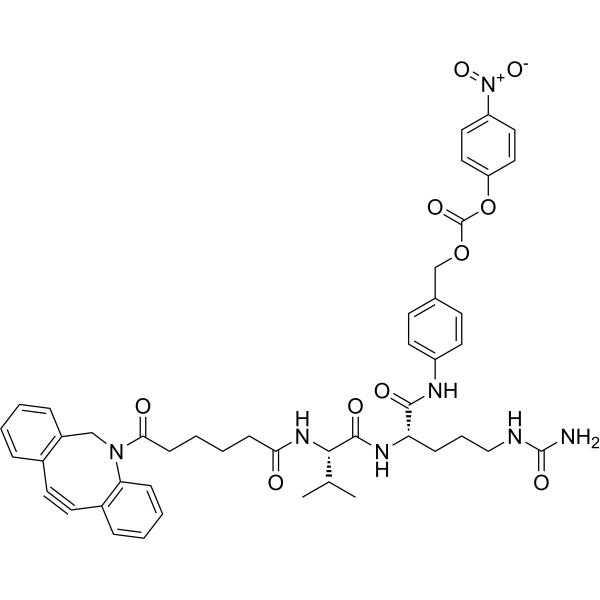 0 ImagesCat. No.: HY-130937CAS No.: 2994332-18-0DBCO-Val-Cit-PABC-PNP is a cleavable ADC linker used in the synthesis of antibody-drug conjugates (ADCs). DBCO-Val-Cit-PABC-PNP is a click chemistry reagent, it contains a DBCO group that can undergo strain-promoted alkyne-azide cycloaddition (SPAAC) with molecules containing Azide groups.
-
Azido-PEG3-Val-Cit-PAB-PNP
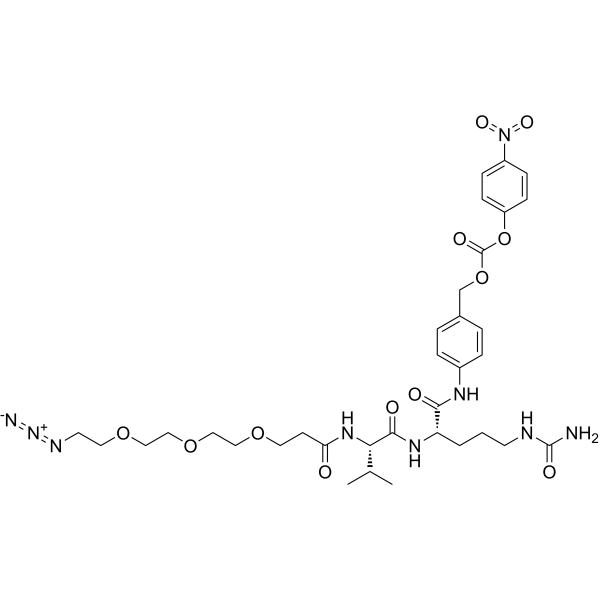 0 ImagesAzido-PEG3-Val-Cit-PAB-PNP is a cleavable 3 unit PEG ADC linker used in the synthesis of antibody-drug conjugates (ADCs). Azido-PEG3-Val-Cit-PAB-PNP is also a PEG-based PROTAC linker that can be used in the synthesis of PROTACs. Azido-PEG3-Val-Cit-PAB-PNP is a click chemistry reagent, it contains an Azide group and can undergo copper-catalyzed azide-alkyne cycloaddition reaction (CuAAc) with molecules containing Alkyne groups. It can also undergo strain-promoted alkyne-azide cycloaddition (SPAAC) reactions with molecules containing DBCO or BCN groups.
-
Fmoc-Val-Ala-PAB-OH
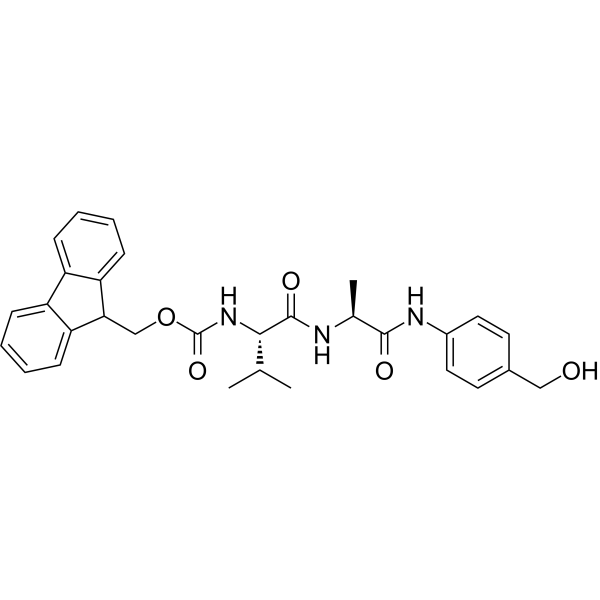 0 ImagesFmoc-Val-Ala-PAB-OH is a cleavable ADC linker used in the synthesis of antibody-drug conjugates (ADCs).
-
Mc-Val-Cit-PAB-Cl
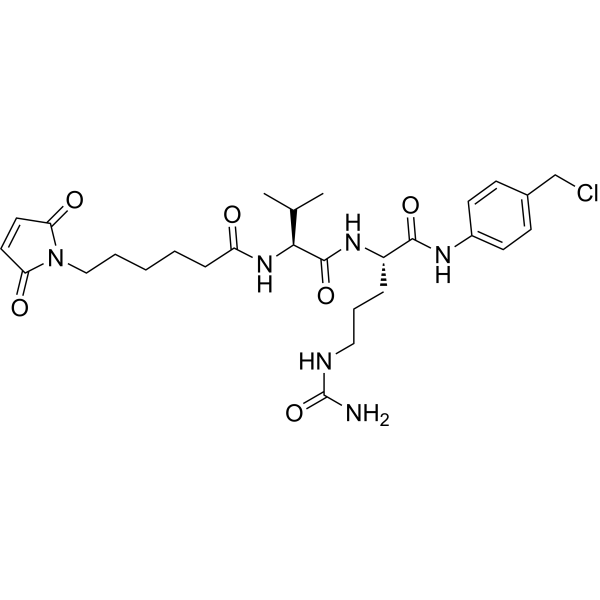 0 ImagesCat. No.: HY-112099CAS No.: 1639351-92-0Mc-Val-Cit-PAB-Cl is a cleavable ADC linker. Mc-Val-Cit-PAB-Cl can be used to conjugate MMAE and antibody to form antibody-MC-vc-MMAE (e.g., anti-CD22-MC-VC-PABC-MMAE with IC50s of 3.3 and 0.95 nM for BJAB and WSU cell lines in cytotoxicity assay).
-
Boc-Val-Cit-PAB
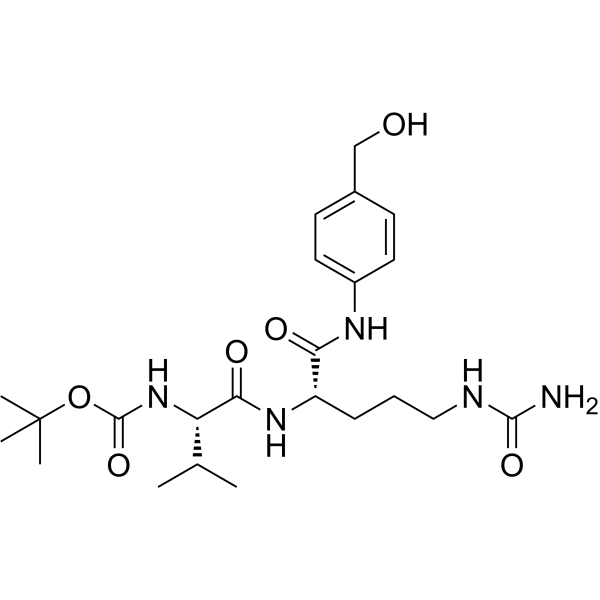 0 ImagesBoc-Val-Cit-PAB is a cleavable ADC linker used in the synthesis of antibody-drug conjugates (ADCs).
-
MC-Val-Ala-OH
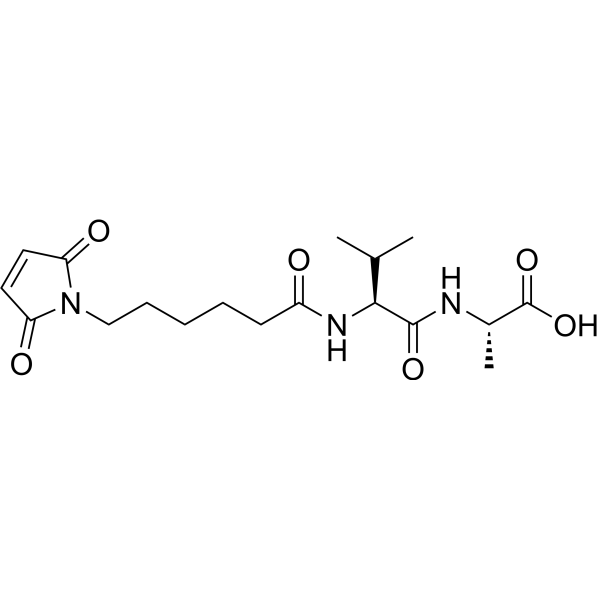 0 ImagesMC-Val-Ala-OH is a cleavable ADC linker used in the synthesis of antibody-drug conjugates (ADCs).
-
Fmoc-Glu-(Boc)-Val-Cit-PAB-PNP
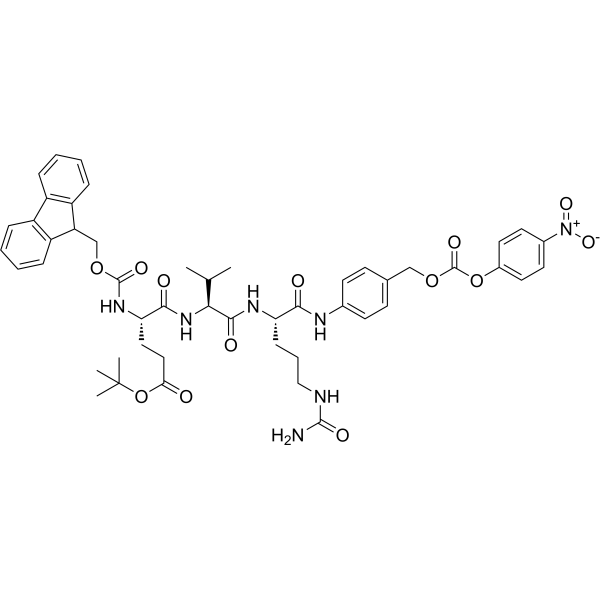 0 ImagesCat. No.: HY-136154Fmoc-Glu-(Boc)-Val-Cit-PAB-PNP is a cleavable ADC linker used in the synthesis of antibody-drug conjugates (ADCs).
-
Boc-Val-Ala-PAB-PNP
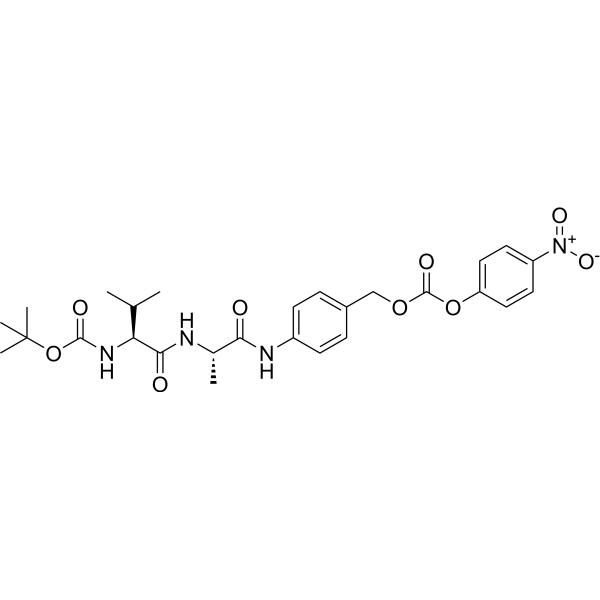 0 ImagesBoc-Val-Ala-PAB-PNP is a cleavable ADC linker used in the synthesis of antibody-drug conjugates (ADCs).
-
Mc-Val-Ala-PAB
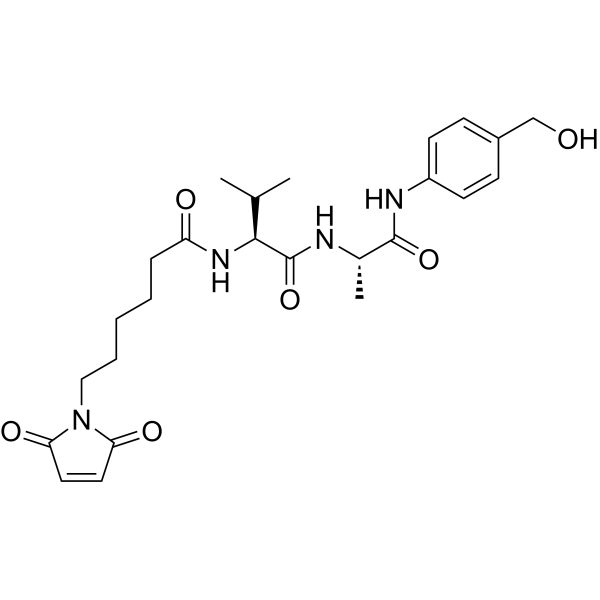 0 ImagesMc- Val- Ala- PAB is a cleavable ADC linker used in the synthesis of antibody-drug conjugates (ADCs).



